
Blue Lining with Tenkara: Discover Hidden Streams and Wild Trout
What Is Blue Lining?
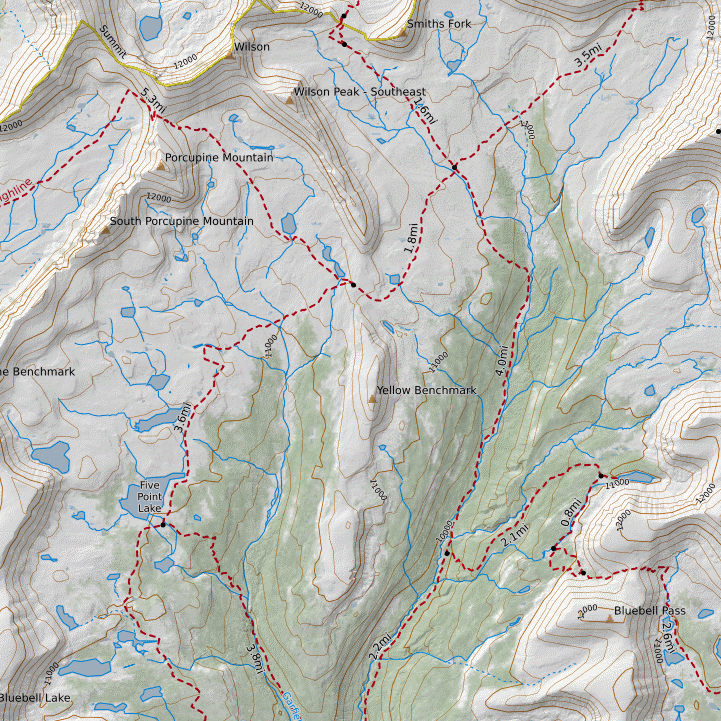
In the world of fly fishing, blue lining means chasing remote, lightly fished creeks—often found as thin blue lines on topo maps. These hidden waters are rarely stocked, rarely pressured, and often hold wild native trout. Think alpine cutthroat, brook trout, or backcountry rainbows.
These creeks are out there—you just have to go find them.
Why Tenkara Is Built for Blue Lining
Tenkara fly fishing is perfectly suited for blue lining. It’s minimalist, lightweight, and compact, making it ideal for hikes into remote canyons or high-alpine basins.
Here’s why tenkara excels in the backcountry:
-
Packability: Our rods, like the Snub Nose or Baby RodZilla, collapse down small and fit easily in a pack.
-
Tight-space casting: Short lines and precise casts work better in brushy, technical water.
-
Quick setup: No reel. No mess. Just attach your line and start fishing.
-
Featherlight gear: Carry a rod, line, a handful of flies, and go.
How to Find Blue Lines
Finding a “blue line” is half the fun. Use tools like Gaia GPS, OnX, or CalTopo and look for thin blue lines in public land zones—especially high elevation creeks or streams with forest or wilderness access.
Tips for scouting:
-
Avoid water close to roads or trailheads
-
Look for elevation drops (steep creeks mean plunge pools)
-
Cross-reference with fish & game wild trout maps
🔎 Pro tip: If you can’t find much info on a creek, that’s a good sign.
Best Tenkara Rods for Blue Lining
For tight, brushy streams, shorter rods rule. For bigger high-mountain water, longer rods give you more reach and better drifts.
Top rod picks for blue lining:
-
Snub Nose IV: Ultra packable and versatile
-
Baby RodZilla: Built for bushwhacking and tough wild trout
- Darth Quattro: Super light and versatile
What to Pack for a Blue Lining Tenkara Trip
Keep your kit tight. Here’s what we recommend:
-
Tenkara Rod (8–10 feet is ideal)
-
Line & Tippet: Furled or level line + 5x tippet
-
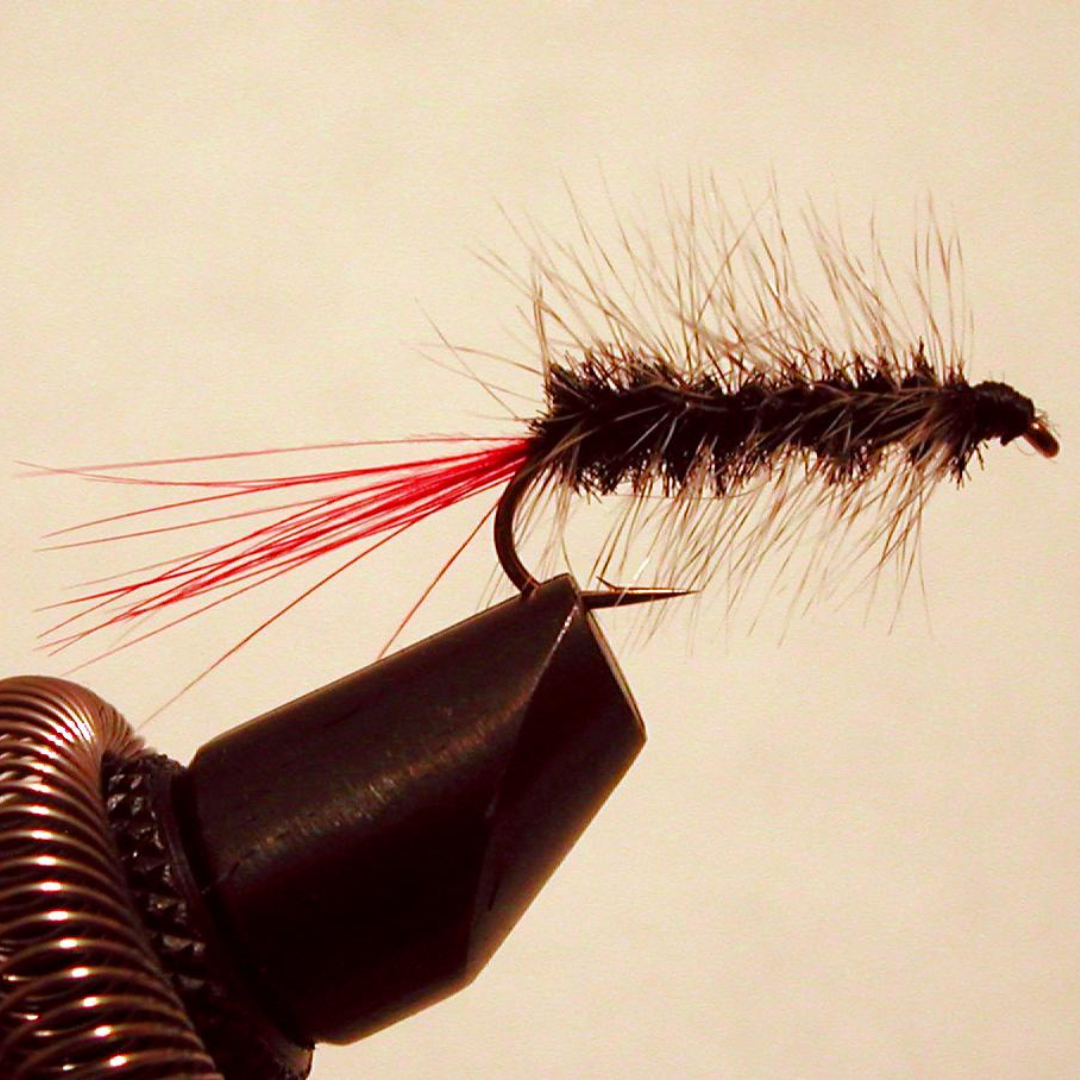
Flies: Sakasa kebari, killer bugs, or a Purple Parachute Adams
-
Stream essentials: Nippers, floatant, hemostats, water, snacks
-
Navigation: Map, GPS, or phone app
-
Emergency gear: Headlamp, first aid kit, and a GPS beacon if going deep
Blue Lining Ethics: Keep It Wild
When you’re deep in the backcountry, you’re a guest. Practice Leave No Trace ethics:
-
Don’t geotag remote locations
-
Pack out every bit of trash
-
Barbless hooks, quick releases
-
Share the experience, not the spot
Final Cast
Blue lining is more than fishing—it’s exploration. It’s discovery. It’s you, a wild trout, and a sliver of water no one else bothered to look at.
So grab a Wasatch Tenkara rod, follow that faint trail, and see where the blue line leads.
Explore Our Rods Built for Adventure:
👉 Shop Tenkara Rods
👉 Explore Tenkara Flies